
What campus recruiters actually need from university talent data
Campus recruiters do not need larger spreadsheets. They need verified, comparable, decision-ready talent data that moves smoothly from screening to scheduling and offers.
By Tenurin · Mar 7, 2026

Campus recruiters are often told they need more student data. In practice, the opposite is usually true. What slows recruiter workflows is not a lack of information. It is inconsistent, poorly structured, and weakly verified information arriving in formats that cannot be compared across institutions.
That is the real bottleneck in campus hiring.
When every college shares talent data differently, recruiter teams spend time cleaning sheets, reconciling eligibility, clarifying missing fields, and rechecking candidate status. The result is slower screening, slower shortlist creation, and delayed interview coordination. For companies hiring across multiple campuses, this compounds quickly.
The stronger operating model is simple: give recruiters one decision-ready talent layer. That means verified candidate signals, comparable data fields, clear eligibility context, and a workflow that does not break after the shortlist.
This is consistent with the broader shift toward quality-of-hire and skills-first recruitment. LinkedIn's 2025 Future of Recruiting report highlights that talent teams increasingly see skills assessment as central to quality hiring, while NACE Job Outlook 2025 shows employers continue to prioritize problem-solving, teamwork, communication, initiative, and technical skills. For campus hiring, this means recruiter data needs to support both eligibility screening and real skill judgment.
Why raw spreadsheets slow campus hiring
Spreadsheets are not the enemy by themselves. The issue is that most campus spreadsheets are not recruiter-ready.
They often include problems like:
- inconsistent field naming across colleges
- unclear grading formats
- missing backlog status
- unverified skills claims
- duplicate candidate records
- broken resume links
- no distinction between self-declared and institution-verified information
When this happens, campus recruiting teams are forced to rebuild trust in the data before they can use it. That wastes recruiter time and creates unnecessary back-and-forth with placement cells.
The more campuses a company hires from, the more expensive this friction becomes.
Standardize the minimum recruiter view
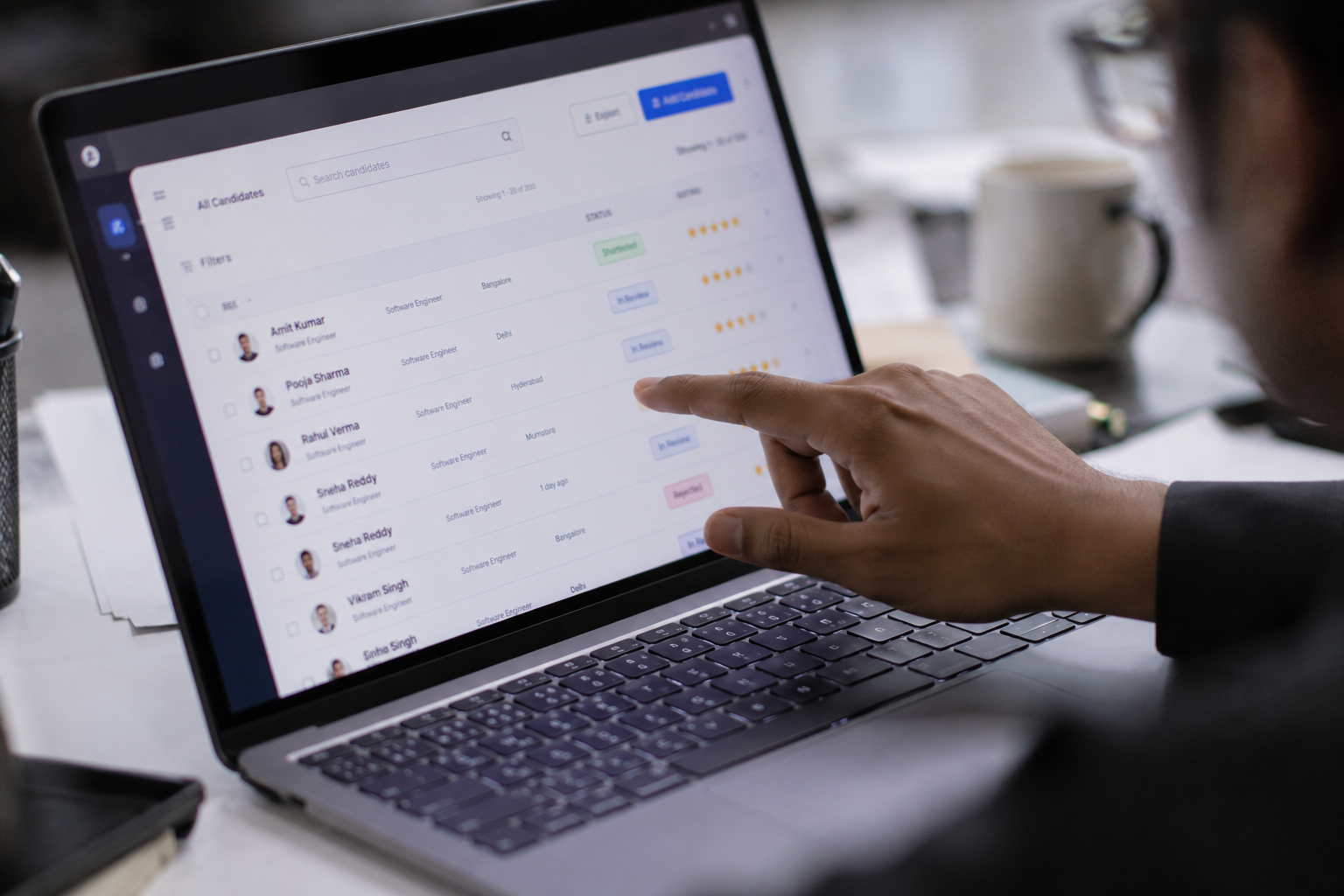
Recruiters need a clean minimum dataset that appears the same way every time, regardless of institution.
That core view should typically include:
- student name and unique identifier
- institution, degree, branch, and graduation year
- CGPA or percentage with grading context
- active and cleared backlog status
- verified skills or certifications where available
- relevant assessment scores
- resume and portfolio links
- location and role preferences
- current stage in the hiring process
The goal is not to capture every possible detail. The goal is to make early-stage decisions fast and defensible.
When the minimum recruiter view is standardized, three things improve immediately:
- shortlist speed
- comparability across campuses
- confidence in screening logic
Separate self-declared information from verified information
This is one of the most important design decisions in campus recruitment systems.
Recruiters know that some student data is self-entered. That is normal. The problem arises when there is no visible distinction between what the student has declared and what the institution has verified.
Without verification status, recruiters are left asking:
- Is the CGPA current?
- Has the backlog information been confirmed?
- Is the skill claim supported by an assessment or certification?
- Has the resume been reviewed by the placement team?
Once verification status is made visible, recruiter confidence improves immediately. Teams can move faster because they know which fields are dependable and which require caution.
For multi-campus hiring programs, this matters even more than presentation design. A polished dashboard cannot compensate for weak signal quality.
Make talent data comparable across colleges
Recruiters hiring across multiple institutions need normalized comparison, not campus-specific interpretation.
That means candidate data should be structured so recruiter teams can compare:
- academic eligibility using common filters
- role-fit indicators across departments
- assessment outcomes using consistent formats
- shortlist readiness across all campuses in the drive
This becomes especially valuable when hiring teams are under time pressure. A recruiter should not have to learn each university's data logic to run an efficient process.
Comparable data also improves fairness. When candidate information is presented consistently, students are less likely to benefit or suffer simply because one institution formats talent data better than another.
Connect the talent layer to the hiring workflow
Recruiter needs do not stop at filtering.
A common failure pattern in campus hiring is that candidate data is relatively usable at the shortlist stage, but the process breaks during handoff. Interview scheduling moves to email, confirmations happen on calls, offer status is tracked elsewhere, and recruiters lose visibility into the actual state of the funnel.
That fragmentation creates new operational problems:
- duplicate outreach
- missed scheduling confirmations
- unclear attendance status
- offer follow-up delays
- inconsistent reporting after the drive
The better model connects student data to the full recruiter workflow:
- source and filter candidates
- apply eligibility and skill criteria
- create shortlists
- schedule interviews or assessments
- track outcomes and offers in the same system
Once the workflow is connected, recruiter productivity improves because the context stays intact from discovery to decision.
What recruiters should ask universities for
If companies want stronger campus hiring outcomes, they should be explicit about the operating model they expect from partner institutions.
Recruiters should ask for:
- a standard candidate data template
- clear verification status on key fields
- explicit eligibility rules before applications open
- assessment score visibility where relevant
- a single workflow for communication and scheduling
- real-time status updates during active drives
This benefits both sides. Universities know what "recruiter-ready" actually means, and companies spend less time fixing preventable data issues.
Why this matters more in 2025 and beyond
Recruiting teams are being asked to hire for potential, skills, and adaptability, not just credentials. The World Economic Forum's Future of Jobs Report 2025 highlights the rising importance of analytical thinking, resilience, flexibility, leadership, and technological literacy. That makes campus hiring more nuanced than simple academic filtering.
Recruiters therefore need data that helps them answer two questions at once:
- Is this student eligible?
- Is this student likely to perform well in the role?
Universities that can provide that signal cleanly become stronger hiring partners. Platforms that can deliver that signal consistently become strategic infrastructure.
A recruiter-ready campus hiring system
Tenurin is built around this exact problem. It gives companies access to a structured, verified, and workflow-connected view of student talent across campuses, while also helping universities maintain cleaner records and clearer readiness states. That reduces friction in the two places recruiters care about most: early screening and post-shortlist execution.
The best recruiter experience is not more dashboards and not more data fields. It is a cleaner talent operating layer that turns campus data into decisions without forcing teams into manual reconciliation. In campus hiring, signal quality is what creates speed.